Italian brainrot is the dumbest, most addictive corner of AI video right now — surreal creatures with fake-Italian names, a robotic voice narrating nonsense, and a beat that lodges in your skull for a week. It also happens to be one of the easiest formats to make, which is exactly why the feed is flooded with it.
This is a step-by-step guide to making your own Italian brainrot video with AI — from generating the character to adding the signature voice and song. No prior editing skill required; if you can write a silly sentence, you can make one.
What is Italian brainrot, exactly?
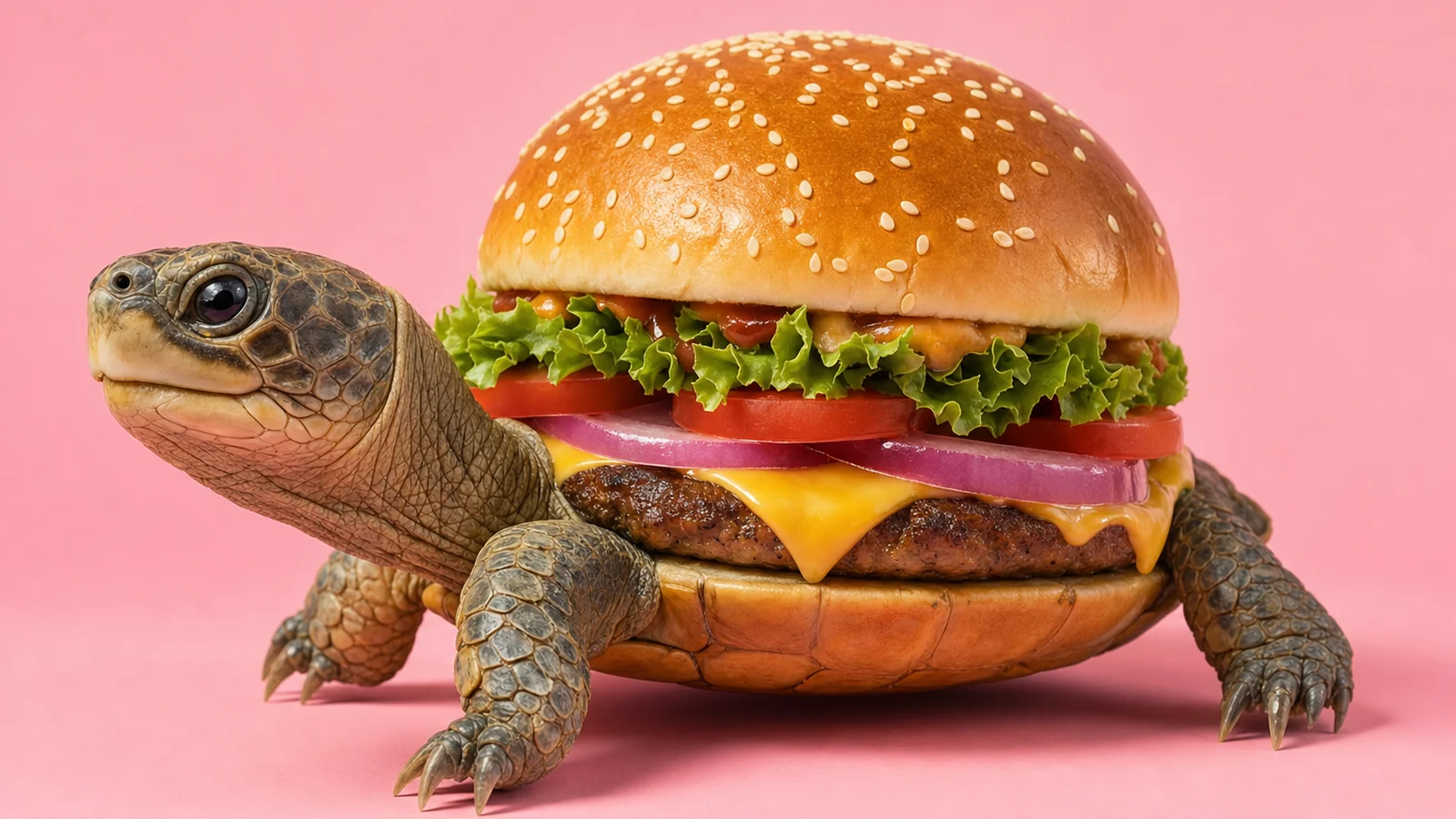
“Brainrot” is internet slang for content so absurd and repetitive it feels like it’s melting your brain — in a fun way. The Italian variant is a specific aesthetic: AI-generated hybrid characters (an animal fused with an object), given a mock-Italian nonsense name, voiced by an AI text-to-speech reading an equally nonsensical backstory, usually over a catchy loop.
It exploded on TikTok and YouTube Shorts in 2025–2026, and the search numbers are wild: hundreds of thousands of monthly searches for “italian brainrot,” tens of thousands for the characters, the names, the songs, and the memes. People aren’t just watching — they’re searching for how to make them. That’s your opening.
The characters that built the trend
The genre runs on recurring characters. A few that defined it:
- Tralalero Tralala — a shark wearing sneakers.
- Bombardiro Crocodilo — a crocodile-bomber hybrid.
- Tung Tung Tung Sahur — a wooden figure tied to a viral rhythm.
- Brr Brr Patapim, Lirilì Larilà — and a hundred copycats.
You don’t need to use these. The format is a template: take an animal, fuse it with a random object, give it an Italian-sounding name, and write a deadpan backstory. The absurdity is the content. Your job is to generate a new one cleanly — which is where AI comes in.
Why Italian brainrot blew up (and why that matters for you)
Three things made this format explode, and each one is also a reason it’s worth making:
- It’s short and loopable. A 5-second clip that loops is perfect for the TikTok and Shorts algorithms, which reward rewatches and completion rate. Brainrot is engineered — accidentally — to be rewatched.
- It’s infinitely remixable. Every creator can invent a new character without stepping on anyone else’s. There’s no “the joke is taken” — the joke is the machine, and you just feed it new inputs.
- It’s near-zero effort with AI. Before generative tools, animating a custom creature with a voice and a soundtrack was a day’s work. Now it’s fifteen minutes. The barrier collapsed, the supply exploded, and the search demand (“how to make italian brainrot”) came right behind it.
For a creator, that last point is the opportunity: the audience is enormous and still growing, but the production cost is so low that consistency — not budget — decides who wins. You can post one a day without breaking a sweat.
What you need to make one
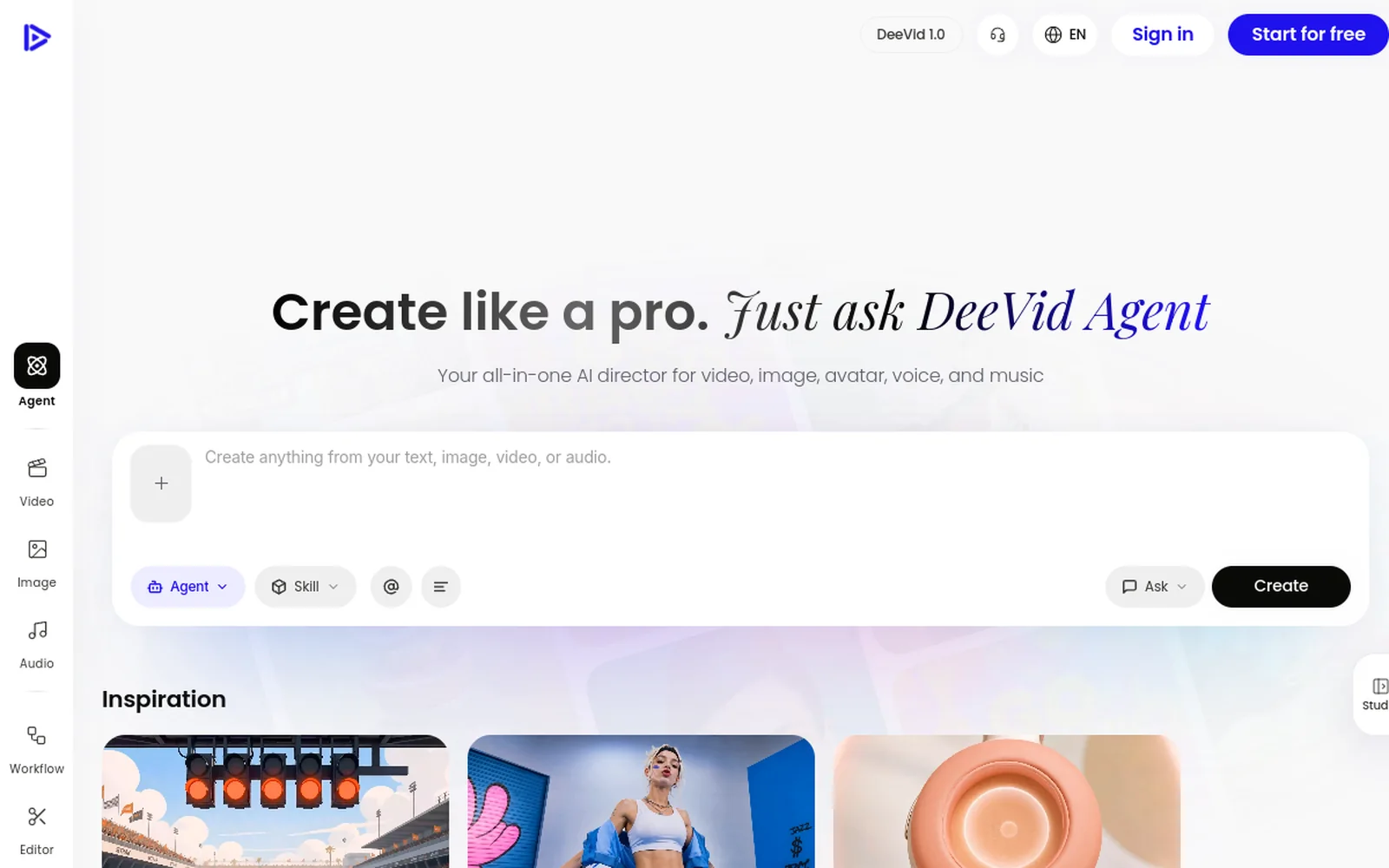
You need an AI tool that can do three things in one place: generate an image, animate it into video, and add an AI voice. Deevid AI handles all three, which is why most of these are made there rather than juggling separate apps.

The honest setup: the free tier gives you a handful of credits to test (watermarked output), the $10/mo Lite plan removes the watermark, and the $25/mo Pro plan bundles the AI voice and music you’ll want for the narration and beat. Test on free credits before paying — we explain why in our is Deevid AI legit piece.
How to make an Italian brainrot video, step by step
Here’s the official walkthrough, then the written steps so you can build along:
1. Generate the character image
Start with a still image of your creature. In Deevid’s image generator, describe the fusion plainly:
A photorealistic hybrid of a pelican and a vintage espresso machine, standing on a beach, absurd, detailed, studio lighting, 3D render.
Generate a few variants and pick the one that’s the funniest and the most coherent — a clean character animates far better than a messy one. Keep the background simple; busy scenes confuse the next step.
2. Animate it into a clip
Drop your image into image-to-video and describe a small, loopable motion: the creature turning to camera, blinking, taking a step. Brainrot clips are short — 3 to 6 seconds is plenty. You want a motion that reads instantly, not a cinematic sequence.
3. Add the voice and the song
This is what makes it brainrot and not just an AI clip. Use the AI voice tool to narrate a short, deadpan backstory in a robotic or accented voice — the dumber and more matter-of-fact, the better. Then lay a simple, repetitive beat under it. On Pro, both the voice and the music are generated in the same interface, so you never leave the tool.
4. Format and post
Export vertical (9:16) for TikTok and Shorts, keep the whole thing under 10 seconds, and post with the character’s name as the hook. Consistency wins here: a recognizable character you can re-use across clips builds a mini-franchise faster than one-offs.
Naming your character (the formula)
The name is half the joke. The pattern is simple:
- Pick a sound, repeat it — “Tung Tung Tung,” “Brr Brr,” “Tralalero.”
- Add a fake-Italian word — anything ending in -ino, -ello, -dilo, -dactilo.
- Say it out loud. If it’s annoying to repeat, it’s perfect.
“Cappuccino Assassino.” “Frigorifero Misterioso.” You’re not translating real Italian — you’re impersonating its rhythm. The AI voice reading it back is what seals it.
Prompt ideas to steal
Mix one animal with one object and let the model do the work:
- A frog fused with a fire hydrant, glossy, absurd, 3D.
- A flamingo merged with a desk lamp, photorealistic, beach background.
- A capybara wearing a working clock as a shell, studio render.
- A pigeon-toaster hybrid, chrome, dramatic lighting.
For more reusable prompt structures (and how to keep a character consistent across clips), our Deevid AI prompt guide has templates worth bookmarking.
Mistakes that kill the joke
- Over-animating. A small, clean motion loops better than an ambitious camera move that warps the character.
- A busy first frame. Generate the character on a simple background so the animation stays stable.
- A serious voice. Deadpan and robotic is funny; dramatic narration isn’t. Match the tone to the absurdity.
- One-and-done characters. Re-use a winning character across clips — recognition is what builds a following.
- Judging on one take. Generate two or three versions of each step and pick the best; AI video is iterative.
Where to post it (and how to actually get views)
The clip is half the battle; distribution is the other half. A few things that move the needle:
- TikTok and YouTube Shorts first. Both reward short, looping vertical video, which is exactly what this format is. Post the same clip to both — there’s no reason to pick one.
- Lead with the name. Your caption and on-screen hook should be the character’s name. People search these names (tens of thousands of times a month), so the name is your SEO.
- Post on a schedule. Because each video costs you minutes, not hours, volume is your unfair advantage. One a day beats one perfect clip a week — the algorithm needs reps to find your audience.
- Build a roster. Bring back your best characters in new situations. Recognition compounds; a one-off creature can’t build a following, but “the third Cappuccino Assassino video” can.
- Watch the comments for the next idea. The audience will tell you which character landed. Make more of that one.
None of this requires a budget — just a tool that lets you ship fast and a willingness to be deliberately, gloriously stupid. If you’re weighing tools, our alternatives hub lines Deevid up against the other AI video generators so you can see why an all-in-one (image, video and voice in one place) matters for a format like this.
FAQ
What AI do people use to make Italian brainrot? Tools that combine image generation, image-to-video and AI voice in one place — Deevid AI is the common choice because you don’t have to stitch three separate apps together.
Is it free to make? You can test on free credits, but exports are watermarked and not licensed for commercial use until you’re on a paid plan ($10/mo removes the watermark; $25/mo adds the AI voice and music you’ll want).
How long should an Italian brainrot video be? Short — 3 to 10 seconds, vertical, looping. The format rewards repetition, not length.
Can I keep the same character across videos? Yes. Save your character image and re-use it as the starting frame for new clips, and lean on character-consistency features to keep its look stable.
Italian brainrot looks like chaos, but it’s a repeatable four-step recipe: generate a character, animate it, voice it, post it. The trend’s search volume is enormous and the barrier to entry is basically zero — which means the only thing between you and your own Cappuccino Assassino is opening the tool. Start on the free credits and make a deliberately stupid one. Want another zero-effort viral effect? The AI kissing video generator turns two photos into a kiss clip the same way.