If you searched “is Deevid AI legit” or “is Deevid AI a scam,” you’ve probably seen the mixed signals: scam-checker sites flag the domain with low trust scores, Trustpilot has angry refund stories, but the tool also has thousands of paying users and a real, working product. So which is it?
We’ve tested Deevid AI for 30 days and read through the public complaint record. Here’s the honest answer, separated into what’s a genuine risk you should plan around, and what’s noise.
The short version: Deevid AI is a legitimate, functioning product, not a scam in the “take your money and vanish” sense, but it has real, specific problems around billing, refunds, and output consistency that you should understand before paying. Use the free tier first and bill monthly, not annually, until you’ve proven it fits.
Is Deevid AI a scam?
No, not in any meaningful sense of the word. A scam doesn’t ship a working app on the App Store and Google Play, doesn’t process millions of real generations, and doesn’t have a public-facing company responding (however slowly) to support tickets. Deevid AI does all of those.
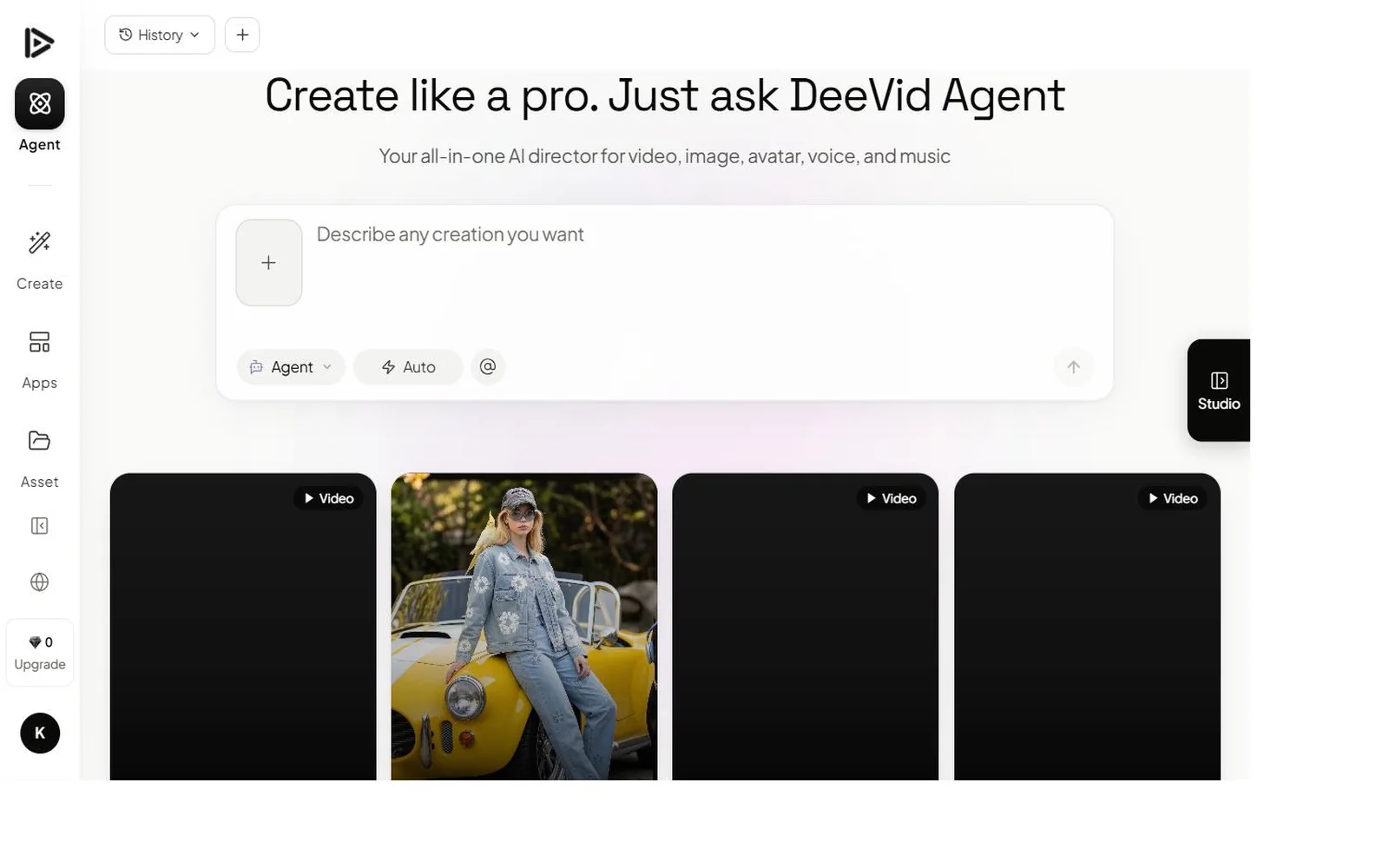
The “scam” flags you see come from automated trust-score sites (Scamadviser, Scam Detector, Gridinsoft). These tools score domains algorithmically based on factors like domain age, ownership transparency, and complaint volume. A newer AI startup with a flood of refund complaints will score low regardless of whether the product works: the algorithm can’t tell the difference between “fraudulent” and “legitimate but with unhappy customers.” Deevid’s ~39/100 trust score reflects the complaint volume, not proven fraud.
So: legitimate product, real company, real output. But “not a scam” isn’t the same as “no risks.” Here are the genuine ones.
Prefer to see it in motion before forming an opinion? Here’s Deevid’s official product walkthrough:
The real risks (plan around these)
1. The no-refund policy is strict: and enforced
This is the most consistent complaint across Trustpilot and review sites. Deevid AI operates a strict no-refund policy. Users report being denied refunds even when output was unusable or when they were charged unexpectedly. Some eventually got money back only by escalating through PayPal disputes.
How to protect yourself: treat every Deevid payment as non-refundable. Don’t buy a plan “to try it”, use the free 20 credits first (more on that below). And never buy annual until you’ve run monthly for at least a month.
2. Billing confusion: annual charges when you expected monthly
Several users report being charged for an annual subscription when they thought they were buying monthly or buying credits. Combined with the no-refund policy, this is the complaint that does real financial damage.
How to protect yourself: at checkout, read the billing toggle carefully before confirming. Screenshot the order summary. Use a card (not PayPal balance) so you have chargeback rights as a last resort. Set a calendar reminder before any renewal date.
3. Credits are consumed on failed generations
Deevid charges credits per generation attempt: including when a generation fails, gets stuck, or produces unusable output (scrambled text, distorted faces). Users report losing credits to generations that never completed.
How to protect yourself: start with cheaper/faster models (Kling, Pika) when testing a new prompt, and only spend premium-model credits once you’ve validated the prompt works. Don’t run your most expensive generations on untested prompts.
4. Output quality is inconsistent
This isn’t a trust issue, but it’s the operational reality: Deevid’s output varies significantly between generations. Text rendered inside videos is frequently scrambled. Faces and hands can distort. Results are model-dependent and prompt-dependent. (We cover this in depth in our full review and beginner guide.)
How to protect yourself: never judge the tool on one generation, always run 2-3 variants. Avoid use cases that need legible on-screen text. Pick the right model per shot.
5. Support is slow
Multiple users describe support as slow or unhelpful, particularly around billing and cancellation. Don’t count on fast resolution if something goes wrong, which is exactly why the “protect yourself upfront” advice above matters.
What’s overblown
Not every alarming signal deserves equal weight:
- The low trust-checker scores are algorithmic and complaint-driven, not evidence of fraud. Plenty of legitimate-but-controversial SaaS products score similarly.
- “It’s unsafe / a virus”: there’s no credible evidence of malware or data theft. The site uses standard SSL encryption. The complaints are about billing and quality, not security breaches.
- “The output is always garbage”: false. When the right model is matched to the right prompt and run a few times, Deevid produces genuinely strong results, especially for product motion and image-to-video. The variance is real, but so are the wins.
So, should you use it?
Here’s our honest position as an affiliate that still tries to tell the truth: Deevid AI is worth trying if you go in with eyes open and protect yourself. It’s a legitimate tool with a real upside, 14+ frontier models for $10-25/mo is a strong proposition, paired with real operational and billing risks.
The people who get burned are the ones who:
- Buy a paid plan before testing the free tier
- Choose annual billing on day one
- Expect flawless output and don’t learn the model-selection workflow
- Don’t read the checkout screen carefully
The people who are happy:
- Test thoroughly on the free 20 credits first
- Bill monthly until they’re sure
- Learn which model fits which shot
- Use it for what it’s good at (generated B-roll, product motion) and not what it’s weak at (legible on-screen text)
The protect-yourself checklist
Before you pay Deevid AI a cent:
- Use the free 20 credits first. Run our 4-shot test plan to see real output quality on your kind of work.
- If you upgrade, choose monthly, never annual, until you’ve used it a full month.
- Screenshot the checkout summary and confirm the billing period before paying.
- Pay with a card, not PayPal balance, so you retain chargeback rights.
- Set a renewal reminder so you’re never surprised by a charge.
- Test prompts on cheap models first, then spend premium credits only on validated prompts.
Do those six things and the main risks (surprise billing, wasted money, disappointing output) are largely neutralized.
The bottom line
Is Deevid AI legit? Yes: it’s a real, working product, not a scam. Is it risk-free? No. The billing practices and no-refund policy are genuine concerns, and the output requires skill to get consistent results.
Treat it like any tool with a strict no-refund policy and uneven reviews: test free, commit slowly, and protect your billing. Do that, and Deevid’s 14-model bundle is one of the better-value propositions in AI video. Skip the precautions, and you’re one of the Trustpilot complaints waiting to happen.
Want the full picture? Read our 30-day Deevid AI review, the honest “is it worth it” breakdown, or the refund policy deep-dive. Ready to test safely? Claim 20 free credits, no credit card, no commitment.